Recommended Storm Cleanup Best Practices
Discover Essential Tree Service Practices for Best Tree Maintenance
Knowing how to care for trees is important for maintaining a healthy environment. Key practices like pruning and mulching are vital factors in promoting tree vitality. Additionally, proper watering techniques are critical for new root growth. Yet, most people miss the indicators of tree illness and the importance of hiring professionals. Investigating these factors can lead to a deeper appreciation for arboriculture and trees. What steps can one take to make sure their trees flourish?
The Significance of Tree Well-being
Knowing why tree health is crucial is vital, as trees are key players in keeping nature balanced and improving city settings. Vibrant trees help improve the quality of the air, provide shade, and sustain animal homes. Trees also assist in reducing climate change by capturing carbon, making them essential for environmental sustainability.
In urban settings, properly cared-for trees improve aesthetics, raise the value of homes, and support public welfare. Having trees can lessen city heating in cities, resulting in reduced utility bills.
Failing to care for trees, in contrast, can lead to illness, insect problems, and structural instability, presenting hazards to infrastructure and the trees themselves. Consequently, recognizing the indicators of tree health, like the color of the leaves, how the tree is growing, and the tree's outer layer, is essential for successful maintenance. Ultimately, promoting tree health supports not only personal gardens but also the broader ecosystem, highlighting the necessity for preventative maintenance and management practices.
Vital Trimming Practices

Cutting branches is a vital method in tree care that guarantees ideal growth and health, as it gets rid of sick or dead limbs and boosts ventilation within the canopy. Applying correct practices makes certain that trees can thrive in their environment.
A key method is "thinning," which involves selectively removing branches to allow more light through and lessen the load on fragile branches. 'Heading back' is one technique, where the tips of branches are trimmed to promote bushier growth, particularly for young trees. In addition, the 'crown reduction' technique lowers the overall height of a tree and retaining its natural structure.
When to prune is key; cutting during the inactive period minimizes stress and optimizes healing. Equipment needs to be clean and honed to avoid damage and the spread of pathogens. Grasping these critical pruning practices is vital for every arborist aiming to maintain healthy and visually appealing trees.
Identifying Common Tree Diseases
What helps tree owners spot the signs of common diseases that endanger their trees? Knowing the particular signs is vital for quick spotting and action. Common indicators include discolored or wilting leaves, which may suggest fungal infections or nutrient deficiencies. Abnormal formations, for example, galls and cankers, can signal the presence of pests or pathogens that compromise tree health. Additionally, peeling bark or oozing sap can be a sign of disease that need prompt care.
Arborists should look for changes in tree structure, such as branches dying or leaves falling, which might indicate a serious problem beneath the surface. Monitoring for signs of insect infestations, such as holes in the bark or frass, is necessary too. Through vigilance and promptness, tree owners can identify these common diseases and seek appropriate remedies, to keep their trees healthy and vigorous throughout the seasons.
How Mulching Helps Trees
Mulching is a key technique in tree care, providing many advantages which encourage strong development and durability. It means spreading a layer of organic or inorganic material surrounding the trunk, aiding in moisture retention, suppress weeds, and moderating temperature fluctuations. The mulch covering not only reduces competition from unwanted vegetation but also boosts the visual appeal of the landscape.
Furthermore, organic mulches, for example, bark or chips, break down eventually, adding vital nutrients to the soil and bettering its texture. This continuous action aids in root growth and fosters a healthier environment for the plant. Additionally, mulch application minimizes the erosion of soil, maintaining the stability of the tree’s base. When applied correctly mulch should be spread in a donut shape, making sure it doesn't touch with the trunk to prevent rot. In conclusion, making mulching a part into tree care routines considerably contributes to the long-term health of trees.
Proper Watering Practices for Trees
Quality tree upkeep needs not only mulching but also appropriate watering techniques to guarantee ideal growth and health. Tree specimens, specifically new plantings, need consistent moisture to form solid root networks. Deep hydration is crucial, as it encourages roots to grow downwards where moisture is more stable. Ideally, trees need roughly one inch of water per week, whether through rainfall or supplemental irrigation.
It is best to water during the early morning hours to cut down on evaporation and disease caused by fungi. It is important to avoid overwatering, which can lead to root rot and further problems. Check the ground for moisture before watering; if the top two inches are dry, then watering is necessary. Furthermore, using a soaker hose or drip irrigation can provide a slow, steady supply of water, ensuring that trees receive adequate hydration without the potential for wasted water. Effective hydration techniques are essential contributors to the total vitality of trees.
Engaging Expert Arborists: Reasons and Necessity
When considering the health and aesthetics of a property, retaining specialized arborists is often vital for homeowners who need intricate tree upkeep. Expert tree specialists have the expertise to evaluate the condition of trees, spot illnesses, and execute beneficial procedures. They also understand local regulations for removing trees and maintenance, ensuring adherence and avoiding potential fines
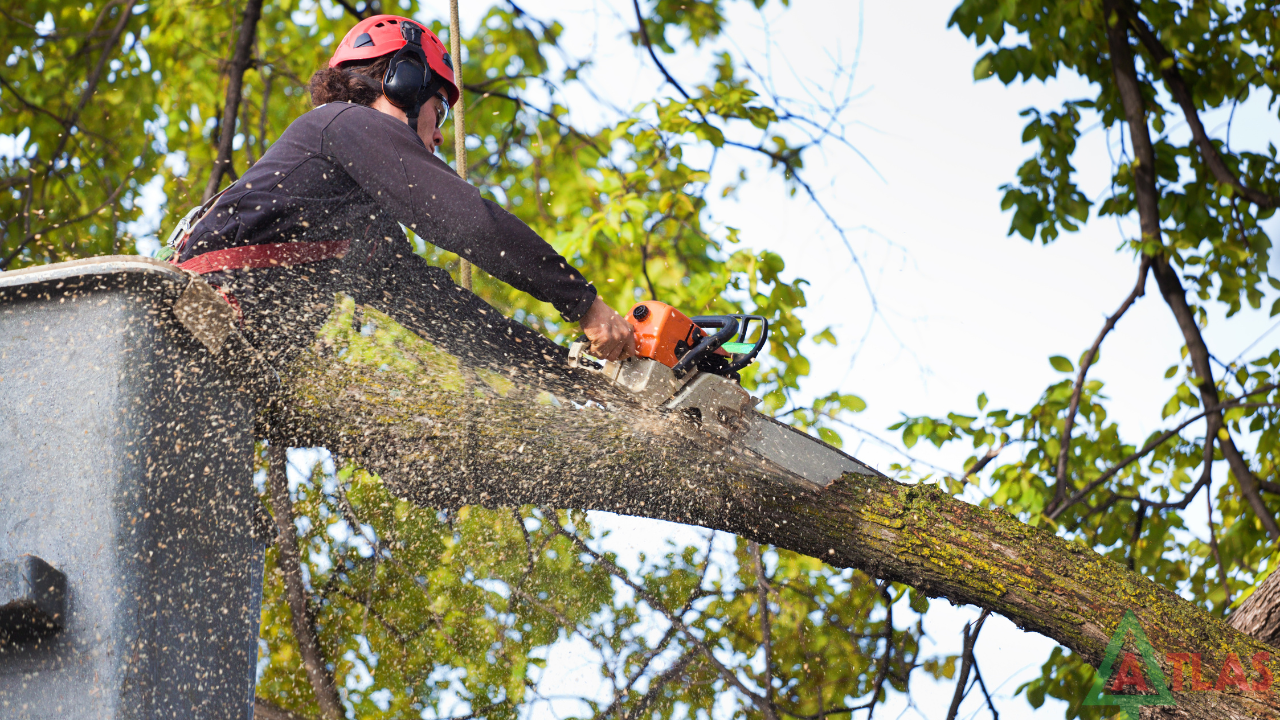
(Stillwater Tree Service)Property owners ought to hire experts when dealing with mature trees, especially those close to buildings or power lines, as mishandling creates safety hazards. Furthermore, trees requiring pruning for aesthetic or health reasons benefit from the skills of trained specialists who can execute precise cuts to stimulate new growth
Routine seasonal work, such as pre-storm readiness and debris cleanup, also require expert help to maintain property safety and appearance. As a result, hiring certified arborists makes certain trees get the best attention, contributing positively to the overall landscape and home valuation
Frequently Asked Questions
How Do I Know if My Tree Is Drowning?
Symptoms of excessive watering are chlorotic leaves, drooping even when the ground is wet, root rot, and excessive leaf drop. Furthermore, the appearance of mushrooms near the trunk's bottom may indicate poor drainage and excess moisture.
What Is the Best Time of Year for Tree Pruning?
The best time for tree pruning is generally in the cold months before spring before new growth begins - Stillwater Tree Service. This timing promotes complete info robust regeneration and lessens the impact on the plant, allowing for effective healing and development
Do Trees Bounce Back After Significant Weather Events?
It is possible for trees to bounce back after severe weather. With proper care, including the removal of injured parts and supplying necessary moisture and food, most trees will recover their vitality and continue to thrive despite enduring major trauma.
What Is the Process for Selecting the Right Mulch for My Trees?
In order to pick the best mulch, it is best to use organic options for example, bark nuggets or wood shavings, guarantee proper depth of 2-4 inches, and never stack mulch against the base to minimize fungal issues.
Do Certain Tree Species Need More Attention Than Others?
Some species, like young trees and fruit-bearing plants, demand more care due to their sensitivity to environmental changes and specialized fertilization demands. Consistent observation and customized care routines are vital for their condition and development.